Let’s start with a flashback
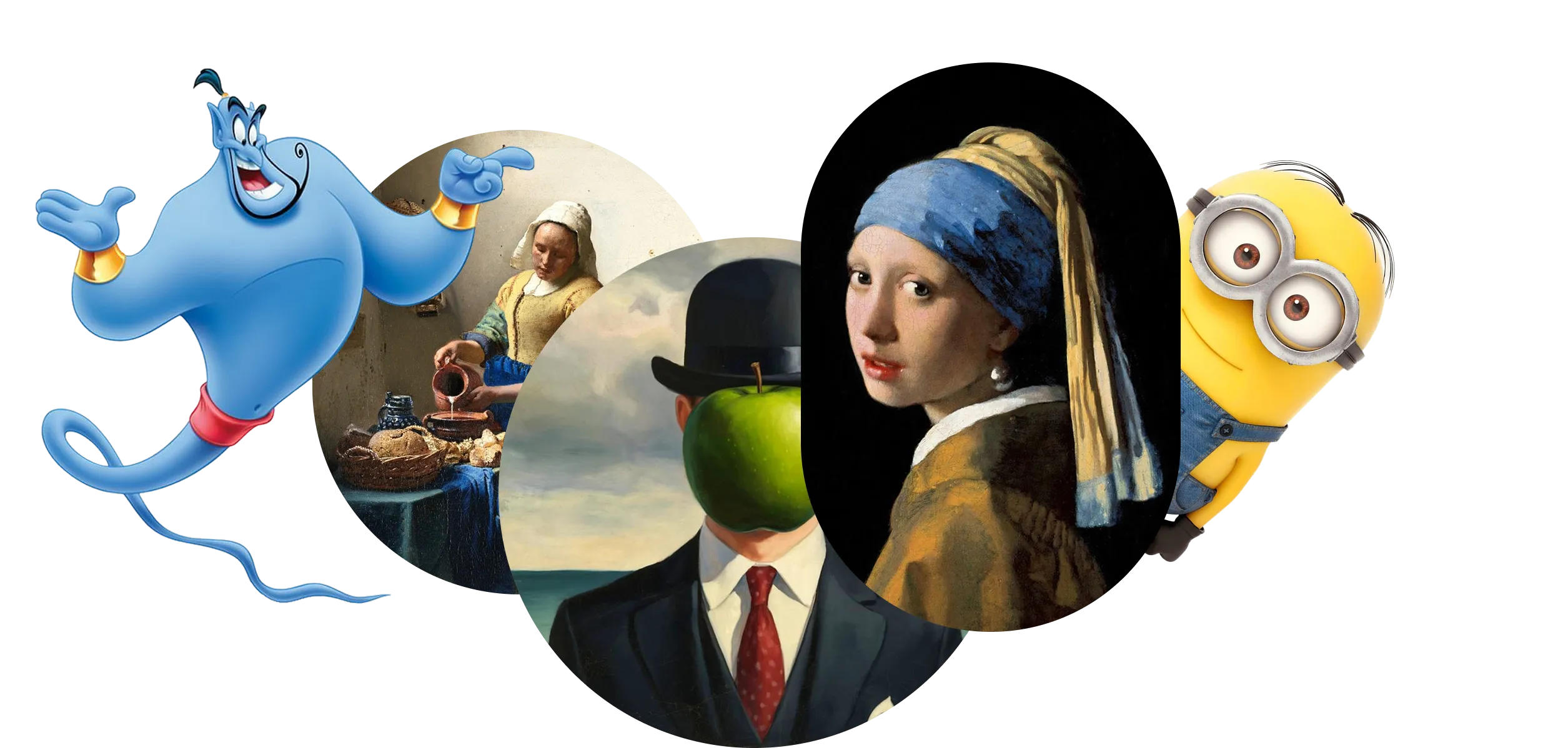
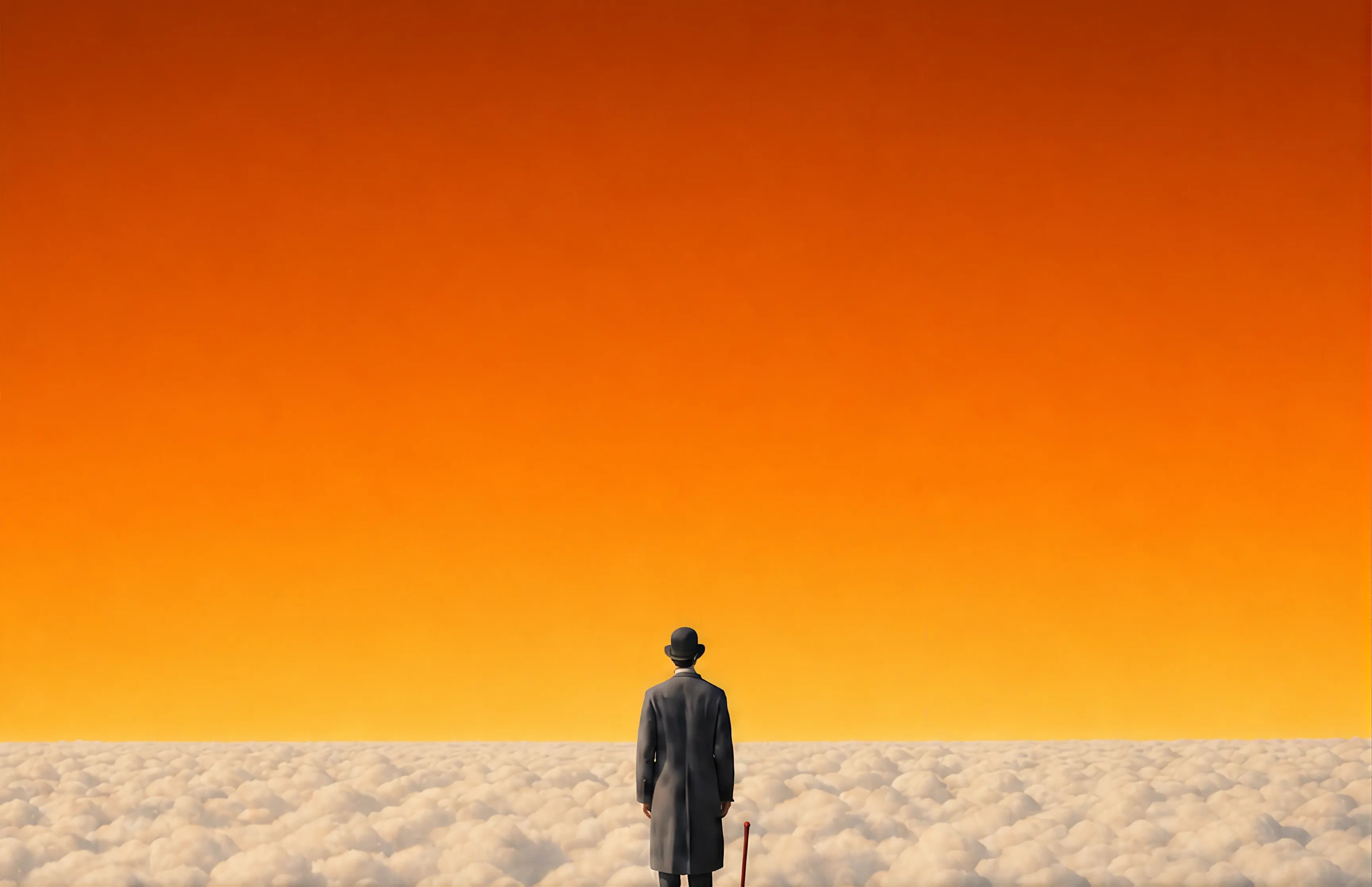
The animated films I grew up on and the art that I saw taught me you can make someone feel something without saying it directly. I’ve been trying to do that with products ever since. The goal was never just to make it work. It was to make someone feel something.
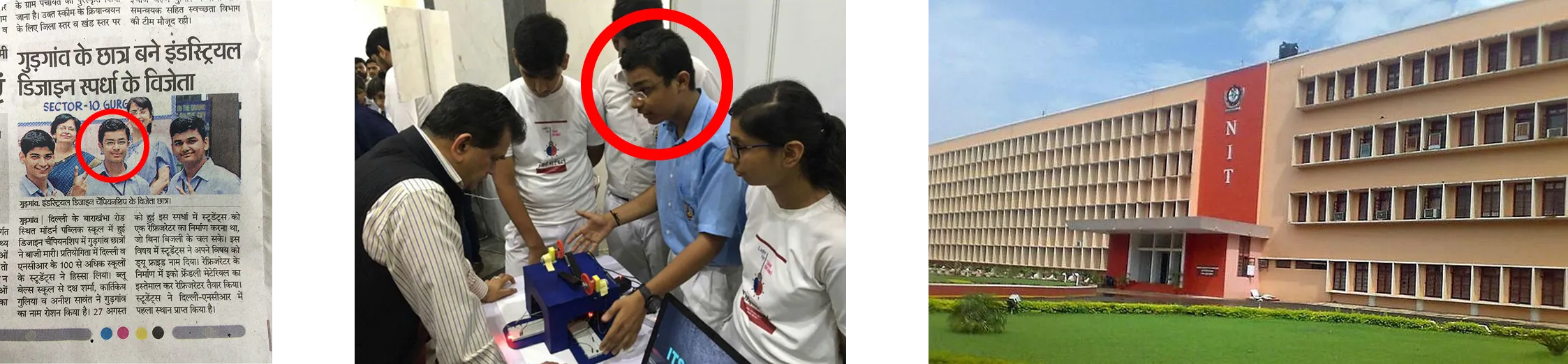
Long before I knew the word “design,” I was a kid who just made things: science fair models, robots, whatever the problem in front of me needed. That instinct took me through industrial design engineering at NIT Rourkela, and somewhere along the way I found the digital version of it. Same love of building, better tools, a lot more people to build for.
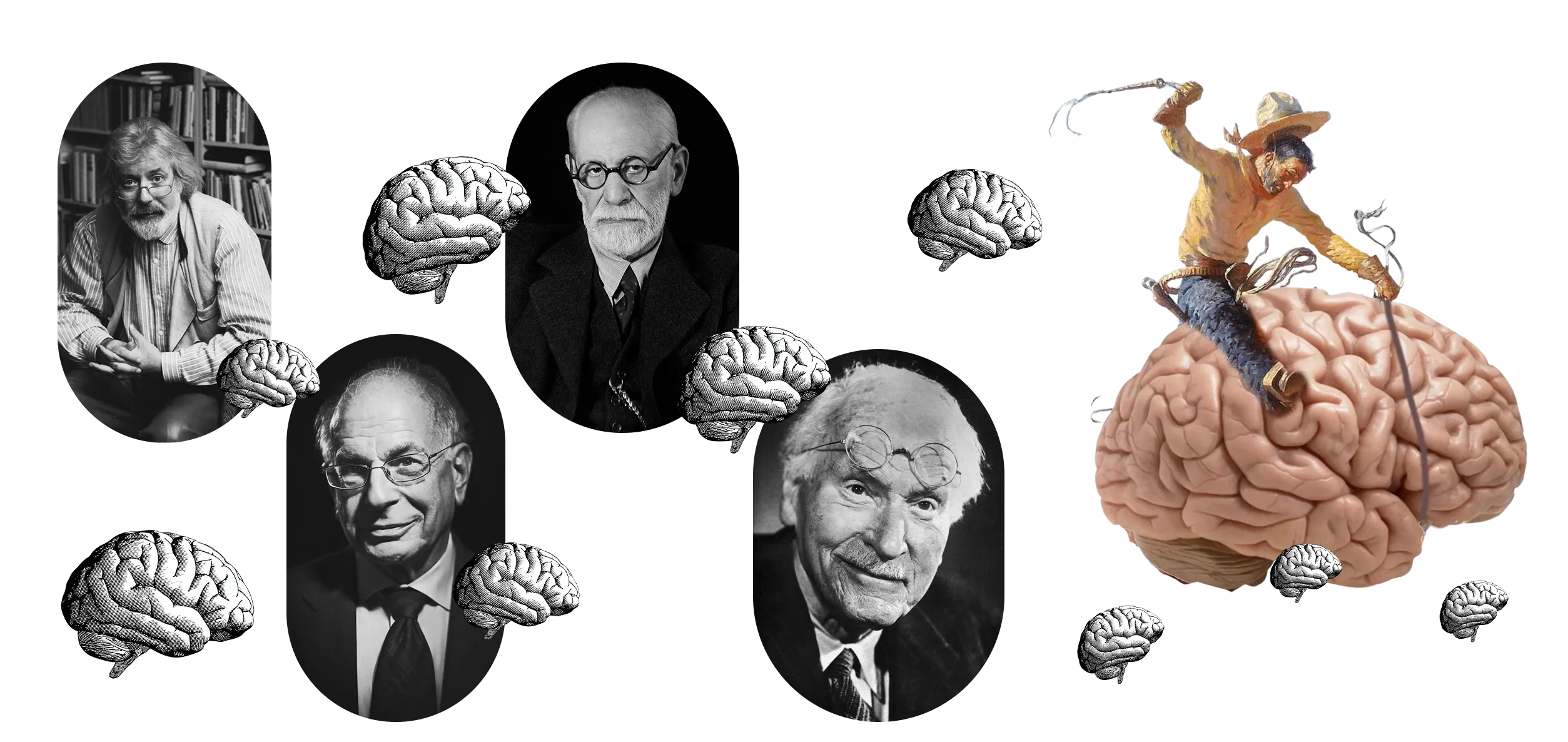
What pulls me most is what happens beneath a decision. I found Carl Jung early, and the idea that so much of what moves us is unconscious, symbolic, half-hidden, felt like the truest thing anyone had said about people. It changed what I look for in a product. Not just whether it’s usable, but what it makes someone feel before they’ve thought about it at all. Most of the interesting work happens on that layer.
How can I make it more Daksh?
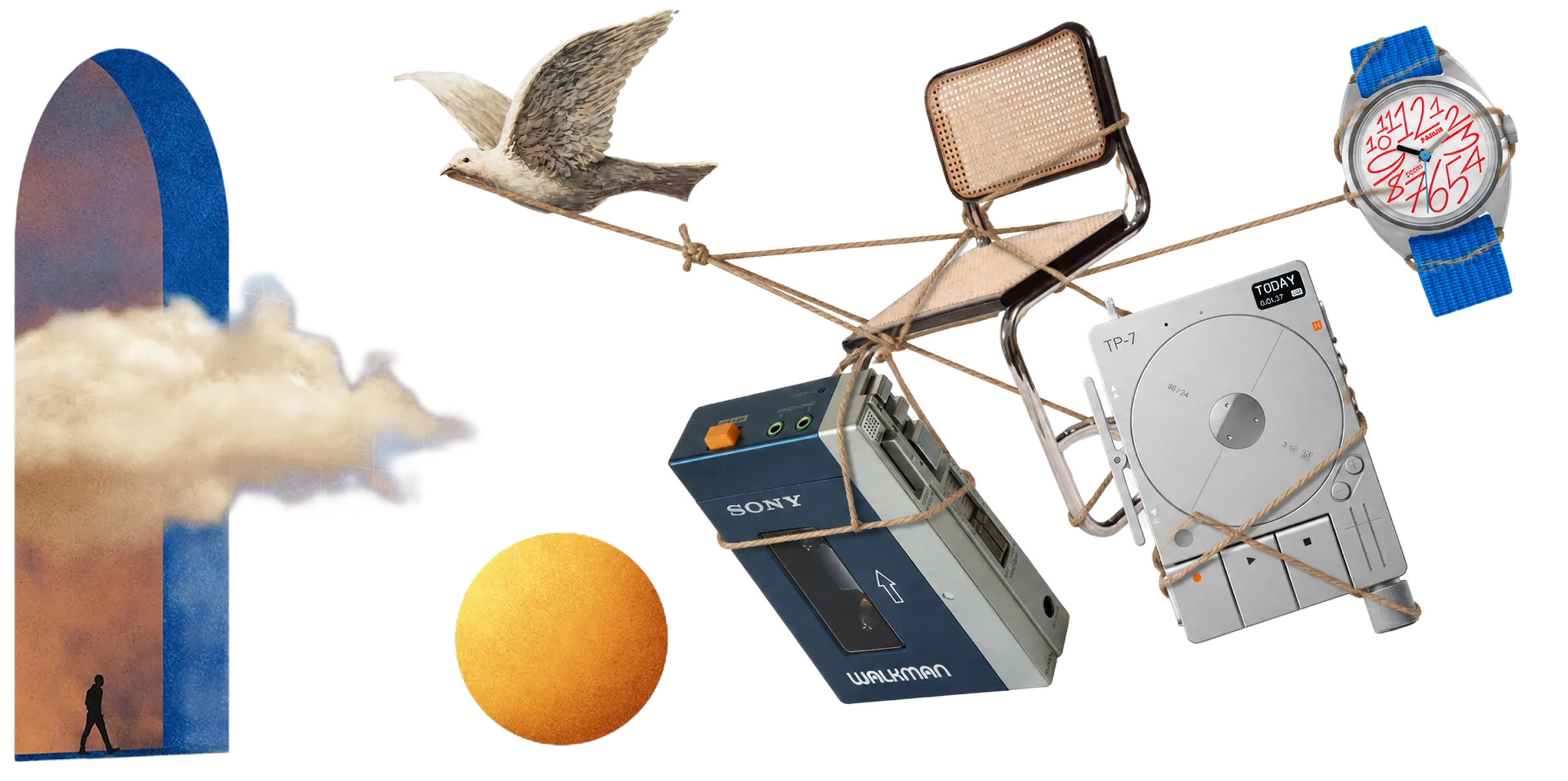
I’ve always loved the products brave enough to be strange: the ones that could have been a beige box and chose to be joyful instead. “How can I make it more Daksh?” is the permission I give myself to do the same. Get it correct first, then push past correct into something that looks a little different and connects. That last ten percent is usually the only part anyone remembers.
Start with why — before anything else, I ask what the work is really for
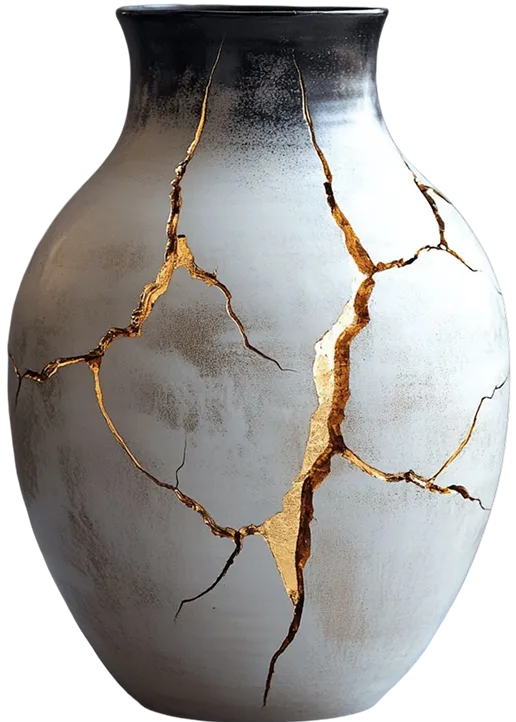
Perfect imperfection — nothing is right on day one, so I ship, watch, and let the data say where to go next.
My side quests
My paid work has been mostly health tech, most recently as the only designer on a metabolic health platform. The things I’m proudest of, though, are the ones nobody asked me to build.
-
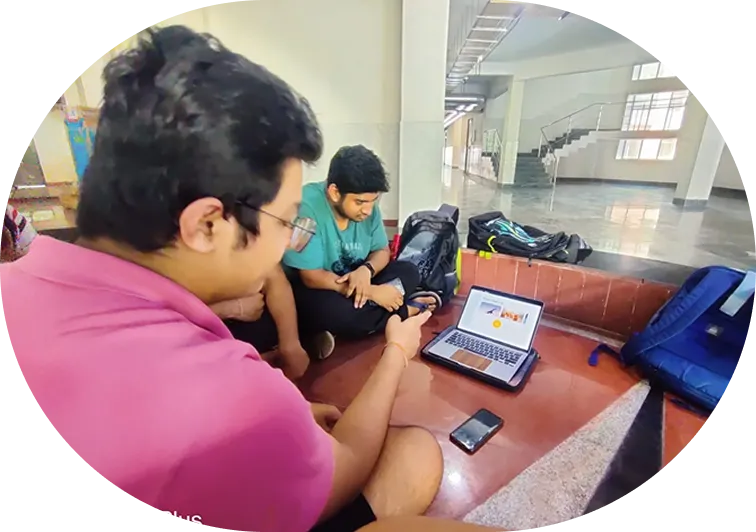
Coffee & Design
A place to teach product design to engineering students who’d been told it was the lesser path. Four people then, a community now — and proof that health wasn’t going away.
-
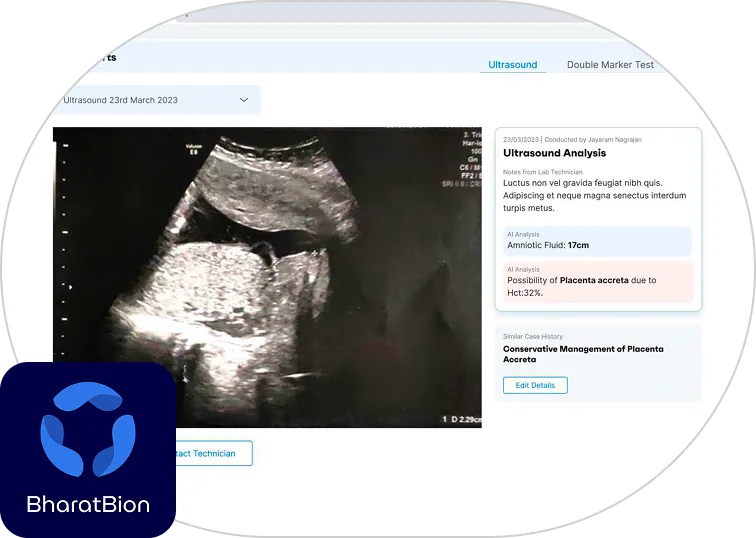
BharatBion
An AI-assisted diagnostic platform that helps sonologists catch what they might miss. Designed the clinical workflow and reporting interface from scratch.
-
Humtaar
Built on a simple belief: most people aren’t broken, just stuck. It won’t replace a therapist, but getting someone to talk out loud might still be worth building.
When I’m not working, I’m usually somewhere off the clock.
-
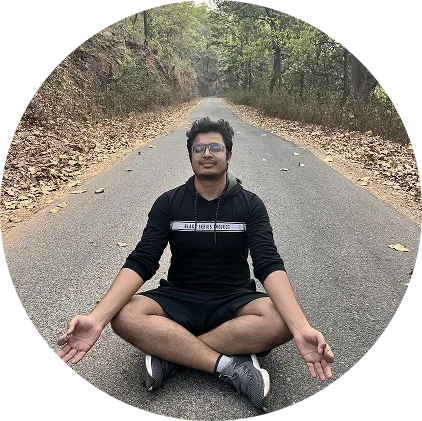
Stillness
Where I actually process things. Most of what I manage to notice, I notice from here.
-
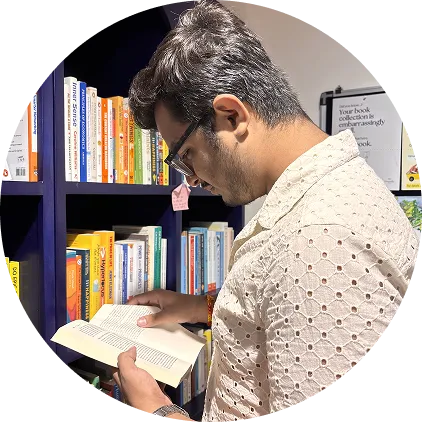
Books
I read to borrow other people’s thinking. They’ve usually already chewed on whatever I’m stuck on.
-

Anime
My comfort medium and, honestly, still the clearest proof of what storytelling can do to a person.
-
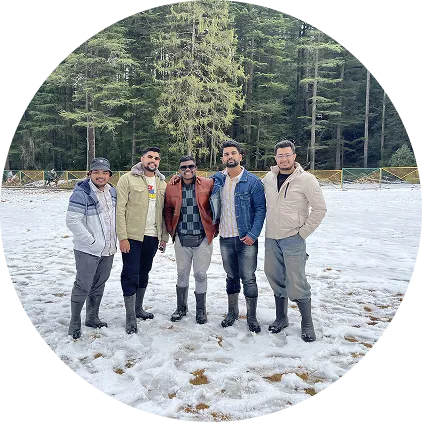
Friends
The people who keep me out of my own head and remind me the work isn’t the whole point.